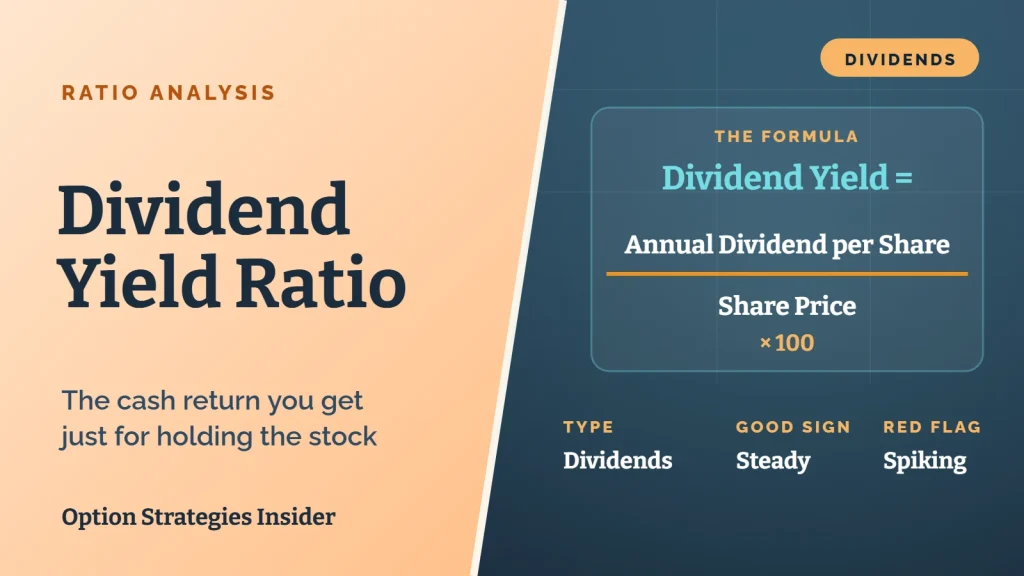
The dividends yield ratio is a financial ratio showing how much a company pays to its shareholders each year for their investments. The ratio is used by investors to show how their stock investment is generating money in terms of increases in asset value as the stock appreciates or in cash dividends.
Stockholders invest their cash in S&P 500 stocks to earn profits in terms of stock appreciation or dividends. Some companies issue dividend payments regularly to increase the interest of investors. These shares are referred to as income stocks. On the other hand, some companies choose to reinvest the money back into the business instead of issuing dividends to investors. These shares are referred to as growth stock.
Dividend Yield Formula
Dividends yield is a financial used to estimate the amount of cash flow generated for each dollar invested in an equity position. It is the return on investment for a stock with fewer capital gains. The dividend yield is calculated by taking the dollar value of annual dividends per share and dividing it by the dollar value share of stock and is expressed as a percentage.
Dividends Yield = (Cash Dividend per Share / Market Value per Share) * 100
For example:
A real estate investment trust company declares a dividend payment of $10 per share, with a stock price of $200. The dividends ratio is calculated as (10 / 200) * 100 = 5%.
Companies with high dividends yields during volatile times have good payoffs. Hence they are a good investment in comparison to other options. They are the best for anti-risk investors. The warning here is that investors need to verify the dividends track record and the company’s valuation.
A low yield or a high yield depends on the business’s lifecycle and the industry. For instance, it will be wise if a fast-growing company does not pay out a quarterly dividend, but instead uses it to reinvest back into the business to grow the company.
A mature company with a relative lack of growth potential might report a high yield. Therefore, this means the yield ratio does not point to a good or a bad company. Instead, the ratio is used by investors to decide which stock best suits their investment strategy.
Advantages of the Dividend Yield Ratio
- Investors use the dividend yield ratio to measure the cash flow they are generating from stock investments. In short, what they want to know is how much they are getting for every dollar the stock makes.
- Companies with a higher dividend yields pay large dividends compared to the reasonable stocks market value. Therefore the investors are highly compensated for their investment compared to stocks with low dividend yields.
- Investors use trailing dividends yield ratio to get a clear picture of overall yield.
- The dividends yields are vital to investors who are looking for continuous returns and long term investments. Old companies are known to be consistent in paying out dividends with little or no variations. Investing in such companies is somehow less risky and secure, and the payout is high compared to new companies.
- The dividend yield ratio also helps compare other investments such as debentures, government securities, certificates, and deposits.
Dividend Yield Ratio Example
Say a stock trades at $50 and pays $0.50 per share every quarter, or $2.00 a year. Its dividend yield is $2.00 divided by $50, or 4%. If the stock drops to $40 and the dividend stays the same, the yield rises to 5%. If the stock climbs to $80, the yield falls to 2.5%.
Trailing vs. Forward Dividend Yield
Trailing yield uses the dividends actually paid over the last 12 months. Forward yield takes the most recent dividend and projects it out for a full year. If a company just raised or cut its dividend, the two can be quite different, so check which one you’re looking at.
Dividend Yield vs. Payout Ratio
Dividend yield tells you how much income you get compared to the stock price. The dividend payout ratio tells you how much of the company’s earnings that dividend uses up. Looking at both helps you spot dividends that are both attractive and sustainable.
Dividend Yield FAQ
What does dividend yield ratio mean? It’s the annual dividend per share divided by the share price, shown as a percentage. It tells you the cash return you get from dividends alone.
Is a higher dividend yield always better? No. A very high yield can mean the stock price has fallen because investors expect a dividend cut.
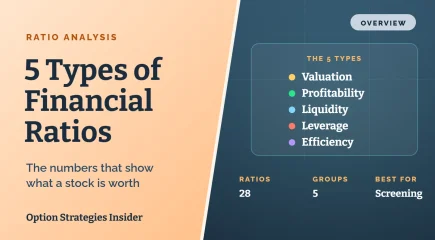
Where can I learn more ratios? See our guide to the 5 types of financial ratios.
Analyzing the Dividends Yield Ratio
Low Dividends Yield Ratio
A low dividend yield ratio means a company is reinvesting more money back into the business for expansion. Thus the company is likely to generate more capital gains for the shareholders in the future. These companies will attract growth investors who are mostly less interested in dividends income and more interested in prospective gains from a substantial rise in shares’ price.
A High Dividends Yield Ratio
On the other hand, it means a company is not reinvesting much of the money back into the business. Here it pays much of the cash it makes to investors in the form of dividends. It may be due to a lack of more business opportunities to grow, hence giving out more dividends to shareholders. These companies intend to attract income investors who prefer the assurance of a consistent flow of income with the potential for growth in shares’ price.
The dividend yield ratio is not intended to measure a good or a bad company for investment. Instead, it is a tool for identifying what type of returns (capital gains or dividends income) an investor is more likely to gain from a company. A closer look into the company’s dividend yield ratio will help an investor determine whether investing in a specific company is a good match for their portfolio, investment goals, and risk tolerance. A value investor or a growth investor can identify a good fit for their investment strategy, using a dividends yield ratio.
Better Strategies to Maximize Income
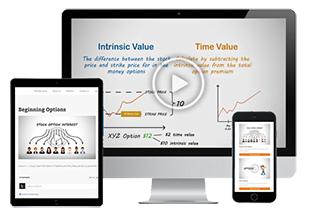
Learning the different strategic approaches to investing will help all investors maximize the total returns they can generate in their portfolio. Get started with the Option Strategies Insider beginning options trading course today. It cost you nothing to get started. You’ll instantly have access to our training material so that you can find the best way to trade options or pair options with stock.
Related Financial Ratios
- Dividend Payout Ratio: the share of profit paid out as dividends
- P/E Ratio: what you pay for $1 of earnings
- Earnings Per Share: profit per share of stock
- All 28 Financial Ratios: the full guide, grouped by type